
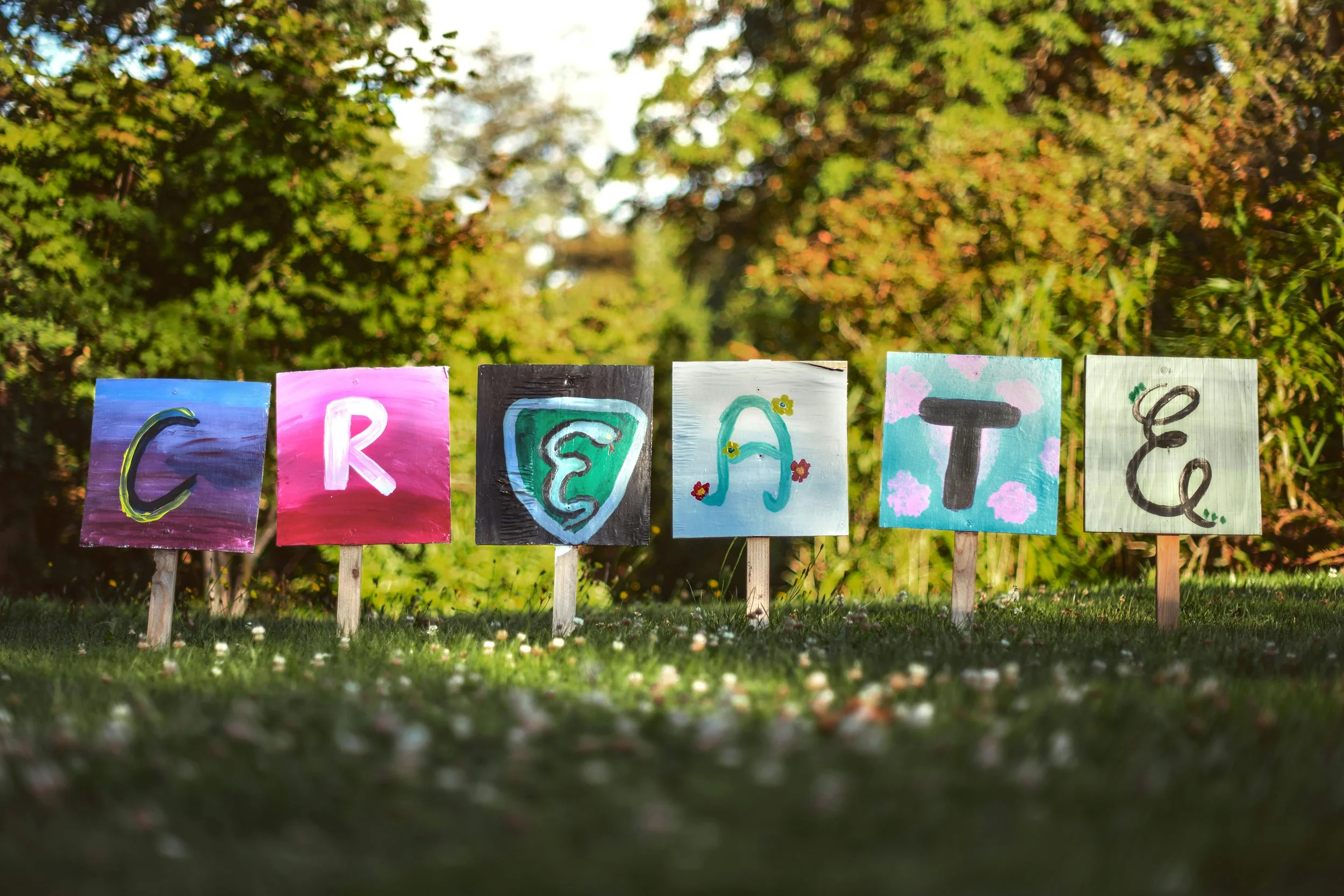
Five Ways Back into Making Things
For anyone who used to make things and has not for a while.
When people tell me they have not made anything in months or years, there is usually an imaginary project standing in the doorway. It might be a complete screenplay, an oil painting, an album, or a finished collection of essays. Because daily life is already exhausting, the prospect of starting something that monumental triggers an immediate freeze response. Your brain looks at the energetic cost of a project and decides you don’t have the capacity, so you scroll on your phone instead.
The mistake we often make is confusing creative expression with production. When you’re dealing with chronic stress or burnout, the point of creativity isn’t output, talent, or an audience. It is a way of letting go of tension, allowing yourself to complete an emotional cycle, and moving out of stuckness. And the way back into creativity doesn’t have to be an ambitious project. It’s far less daunting to start with five minutes of low-stakes play.
I'd advocate for everyone having some form of expression – getting emotions, thoughts, ideas and challenges out of our heads and into the world somehow is a powerful therapeutic tool.
Here are five simple ways to re-engage your expressive muscles without overwhelming your nervous system:

Performers are not our Property
For performers, creatives, and anyone who feels the pressure to trade their wellbeing for an audience.
The cultural appetite for watching artists unravel in public has always been voracious.
From the relentless media surveillance that hounded Amy Winehouse to the legal battles of the Free Britney movement, society has a long history of consuming a performer's talent, then demanding their trauma as an encore. We look on with voyeuristic fascination as young, highly visible artists are placed under intense scrutiny, treated as public property, and discarded when they collapse under the weight.
It's easy to shake our heads at the tabloid press or blame predatory managers, yet this dynamic points to a wider issue inside the performance industry itself. The very qualities that make someone a compelling artist – emotional sensitivity, a porous relationship with feeling, and an instinct to connect – are the exact traits commercial systems routinely exploit.