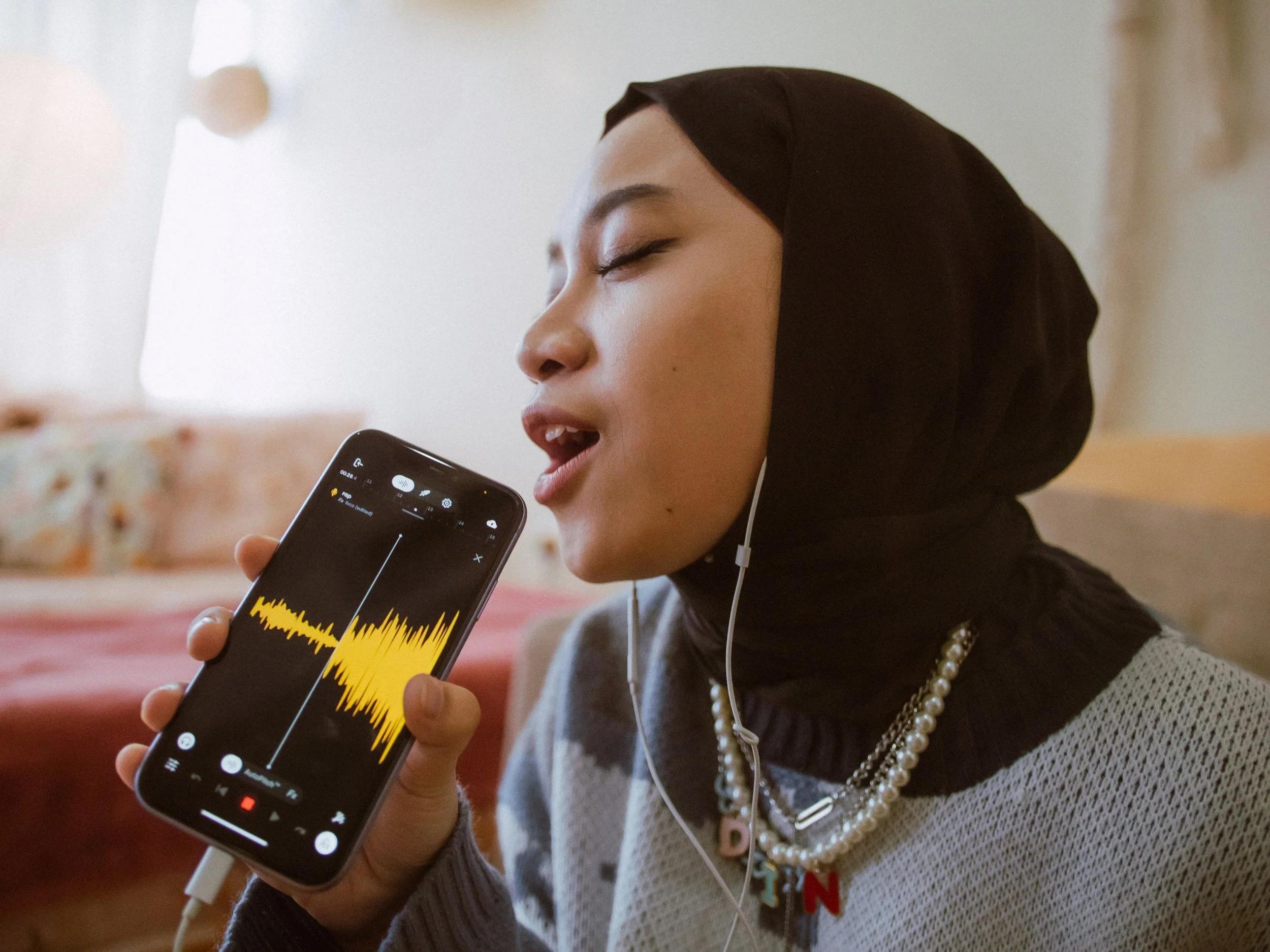
The Therapeutic Power of Singing
There’s something fundamentally human about singing. I’m not aware of any cultures in the world that don’t have music/singing (regimes that forbid music as a form of religious or political control notwithstanding). The variations in pitch and different voice qualities involved in singing tend to offer an opportunity to feel and express emotion more acutely than we might when we speak. The long, controlled exhale we tend to use when singing helps to re-regulate and soothe an over- or under-stimulated Autonomic Nervous System. And something in the predictability of melody helps to convey a message to our pattern-seeking brains in a way that’s especially memorable. The beauty of all of this is that it can work whether or not the singer is trained, can stay on pitch or feels confident in their abilities. In fact, a psychologically safe enough environment and an embodied approach to singing can support someone who is experiencing a ‘freeze’ response or veering wildly off pitch to make progress with these issues.
Performance Anxiety Part 2: Supporting candidates to shine in recruitment and audition
I’ve been thinking a lot lately about my own and my clients’ experiences of performing for the purposes of being assessed – job interviews, auditions and the like – and what can make the difference between a successful, positive experience and a negative one that might lead to shame, fear and a knock to self-esteem. I’ve experienced and heard about interview and audition situations that range from the joyful to the downright traumatic. This has made me a passionate advocate for an approach that pays attention to psychological safety as a means of getting the best from the candidate. Below, I offer some tips and reflection points to support leaders involved in recruitment, audition and assessment of candidates to create a safe and welcoming enough environment to help the hopefuls to shine.
Performance Anxiety Part 1: How to shine in performance and presentation
As a coach and facilitator, I support people who feel uncomfortable with being seen and heard. People who might panic or freeze when the stakes are high and they’re required to give a performance in front of others, whether on stage, in the board room or on a conference call. In this post, I will offer some suggestions, points to reflect on and tools that could help you to feel calm enough to really shine in a performance.

Embodied, Courageous Communication
When the brain responds to a perceived threat and proceeds to flood the body with the hormones and neurotransmitters that could give us a chance at preserving life if it were in danger, we tend to lose contact with our most sophisticated cognitive and social functions. How extreme these reactions are varies hugely according to previous experiences of trauma, shame, the messages we received as we grew up, our neurotype, personality or other variables, such as whether we’ve had enough sleep and food or are going through a stressful experience. But in any case, getting the best from our communication and performance involves a degree of courage, willingness to genuinely connect with others and ability to regulate our autonomic nervous system and emotions. That’s not to say that we should aspire to be in a state of permanent, zen-like calm, or to downplay our emotions and responses in a mandatory display of stoicism – quite the opposite! Suppressing and repressing our feelings will usually only take us so far before they catch up with us and either find an alternative route out into the world or stay buried and do damage to our health. But slowing down enough to notice our responses (something that didn’t come naturally to me and requires a lot of practice) equips us with choices about how we might be able to regulate and respond.

Is there a good time for difficult conversations?
Many people and organisations have had space to reflect on some big issues over the course of the last two years. This might lead to a need to have some potentially difficult conversations. And for most of us, a sustained period of relentless change, restriction, uncertainty and potentially trauma has had an impact. So, what do we do with a context that includes big questions and burnout? Is this a bad time for difficult conversations? Is there such a thing as a good time for them? Below, I outline what considerations might be part of a healthy and effective approach to these tricky questions.
My new embodiment teacher - Covid-19
fter eighteen months of following guidelines and agonising over what was safe, within my ethical framework and worth/not worth risking, I finally enjoyed playing my first post-lockdown gig at a festival recently. And unfortunately, in spite of various risk reducing measures, I tested positive for Covid-19 soon after. It’s not been much fun, but could have been far worse – no doubt, thanks to two rounds of vaccination. The thing that was most discombobulating was the loss of my sense of smell or ‘anosmia’. This has really got me thinking about the embodied approach I now instinctively bring to my work, my emotional wellbeing and life in general…

Adapt to Survive; Create to Thrive
Reflections on wellbeing for creative professionals and all of us as creative beings
Last time I wrote about creativity, I ended with a reflection on ‘create to thrive’ as a step up from ‘adapt to survive’. I was thinking about the impact of loss of connection and stimuli on our creativity during lockdown. Now that we’re emerging back into collective spaces, with arts venues reopening and shared experiences back on the menu, it seems like a good moment to ponder how we might get to that ‘thriving’ place, with creative juices flowing and means of expression available.
Perhaps it seems frivolous to be focusing on creative expression when so many people around the world are very much in survival mode (whether that’s due to the impact of Covid, climate change, conflict or all of the above). But we’re inherently creative beings, with imaginations capable of dreaming up works of art, nation states, complex stories and solutions to problems – this stuff is fundamental. Having an outlet for our thoughts, feelings, ideas and struggles has a proven impact on our health and wellbeing. I’d advocate for everyone having some form of expression – getting emotions, thoughts, ideas and challenges out of our heads and into the world somehow is a powerful therapeutic tool. It might be through talking, writing, singing, drawing, moving our bodies or making physical objects – the medium isn’t important, but the act of creation is…
Performers are not our Property
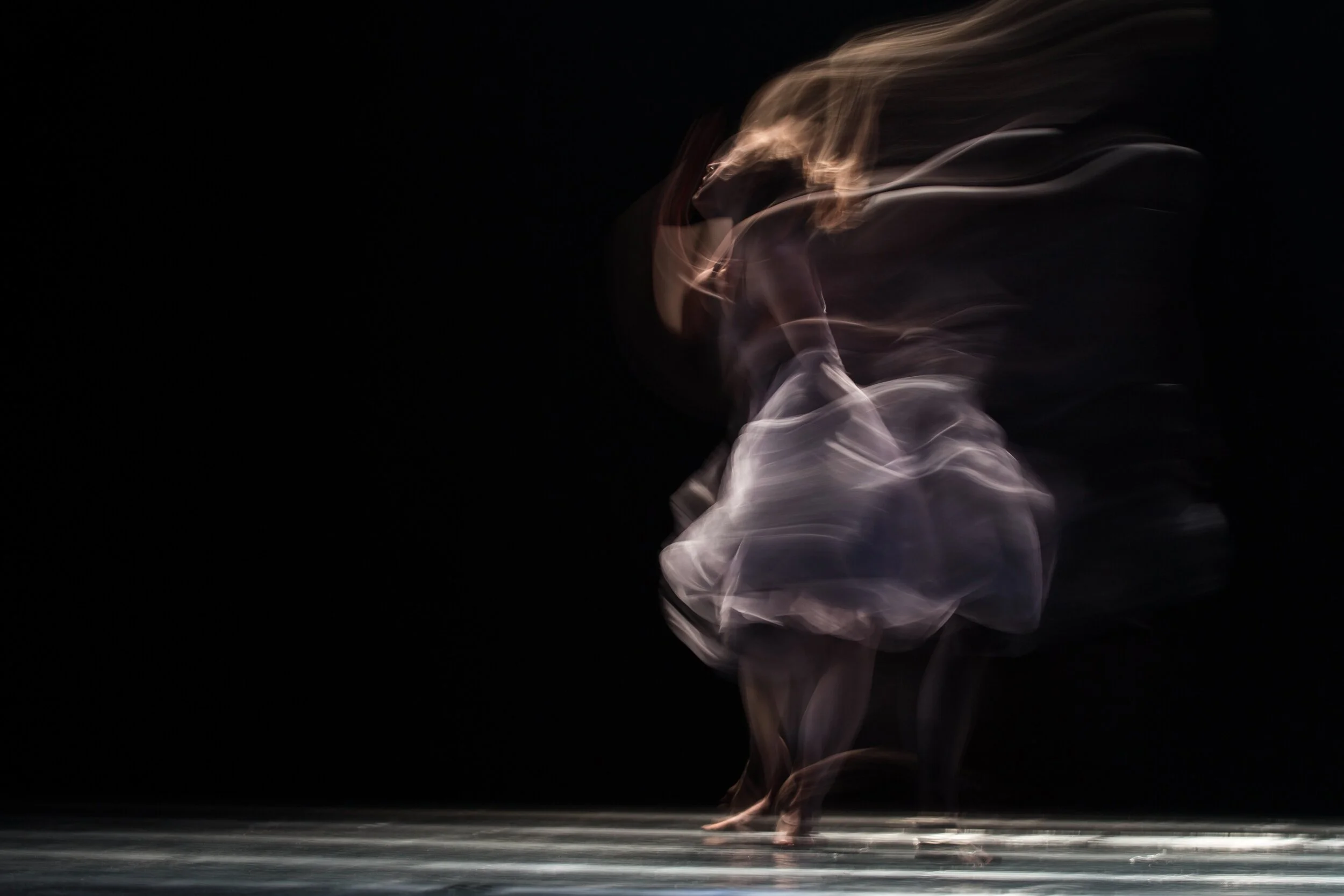
I don’t think I have anything new to offer on the subject of how artists’ lives can be ruined by an insatiable public thirst for their trauma, but right now, I’m fizzing with thoughts and feelings about it. Lately, op eds and news stories about the ‘Free Britney’ movement have been all over the media. There are so many angles that could be taken on the story, from a bit of salacious gossip, to voyeuristic coverage of a widespread conspiracy theory to an opportunity to examine and hold to account both the performance industries and media coverage of the not-so private lives of those in the public eye.

Fear, Hope, Action!
New year is a time that, for many, symbolises hope. There’s the looking back and reflecting on the time that’s passed, followed by the ‘reset’ - positive intentions and desire for more of the things that went well and a chance to improve on the things that didn’t. This new year has been no different, in some ways. We all know that pandemics and political crises don’t care what date it is, and yet, we may wish to shed 2020 like a too-tight skin, casting its chaos into the past and looking towards brighter times. I’m always at my most reflective at the turn of a year – I enjoy the opportunity to pause, take stock and consider what’s next. And the extraordinary events of the last year have got me in full ‘meta’ mode – reflecting on reflecting. I’m interested in the nature and purpose of the hope that we may bring into a new cycle, and its relationship to fear.

Creative blocks, pandemic pressure and space to ‘just be’
Remember all that time ago – it seems like a thousand years – when we first went into lockdown and so many of us promised ourselves myriad ways to stay entertained, distracted, productive and creative? In reality, our most important task was to avoid contracting or spreading a deadly virus, but the shadow of our hyper-capitalist society backed us into a corner, deafeningly whispering “to be worthy, you must create. You must produce”. The desire to resist this notion and the need for creative expression have formed an interesting conflict in me. Or at least, it seemed to be a conflict. But coming to terms with permission to ‘just be’ and a need to turn thoughts, feelings, pain and things that can’t be expressed any other way into some kind of artform are not mutually exclusive.


Black History Month and Coercive Control in the Curriculum
Somehow, we’re well into October already. Autumn always brings the passage of time into sharp focus for me, and never more so than in this year, when so much and yet so little seems to have happened. We’ve had far more time to reflect and ruminate on global events, politics and injustices this year. October is Black History Month – something that my colleagues in a Black-led grassroots organisation welcome with caution. It’s an important step in the right direction to have a month of centring people, events and perspectives that have been wilfully erased from historical narratives. And yet, a month of focus on Black experiences before re-opening history books written by the “winners” may seem like cold comfort at a time when traumatic news of racist violence continues to abound. I find myself thinking and feeling deeply about this, though I’ll never experience that trauma first-hand.
The vision of my coaching and consultancy work is to contribute to communities that facilitate wholehearted communication, mutuality, safety and creativity. I write and speak often about social justice issues because I cannot see a way for us to fully live according to these values and practices while systemic oppression prevails. Recently, I’ve been thinking a lot about this in the context of education.

How we care for ourselves is political
The concept of self-care may bring to mind images of inspirational quotes typed in a flowing font, aimed at over-stretched, harassed working mums who desperately need and deserve to ‘take some me time’ and wash their troubles away in a fragrant bubble bath, chased by either a superfood smoothie or a ‘cheeky’ glass of wine. If I sound a little cynical here, I’ll admit that I am a little, and I’ll outline why. Rest assured, I am a lover of baths, smoothies, wine, relaxation and relief from the often-gendered work of caring for others. It is absolutely not my intention to shame those who practice specific ways of looking after themselves or the professionals who support them. I do want to unpack notions of self-care, emotional literacy and wellness, because I believe it’s in all of our interests to examine the industry built around them, the practices and products we’re sold and the voices that are centred or silenced. As Skunk Anansie proclaimed in the nineties (to the delight of my teenage self), “Yes, it’s f*cking political, everything’s political!”
The Psychology of Voice
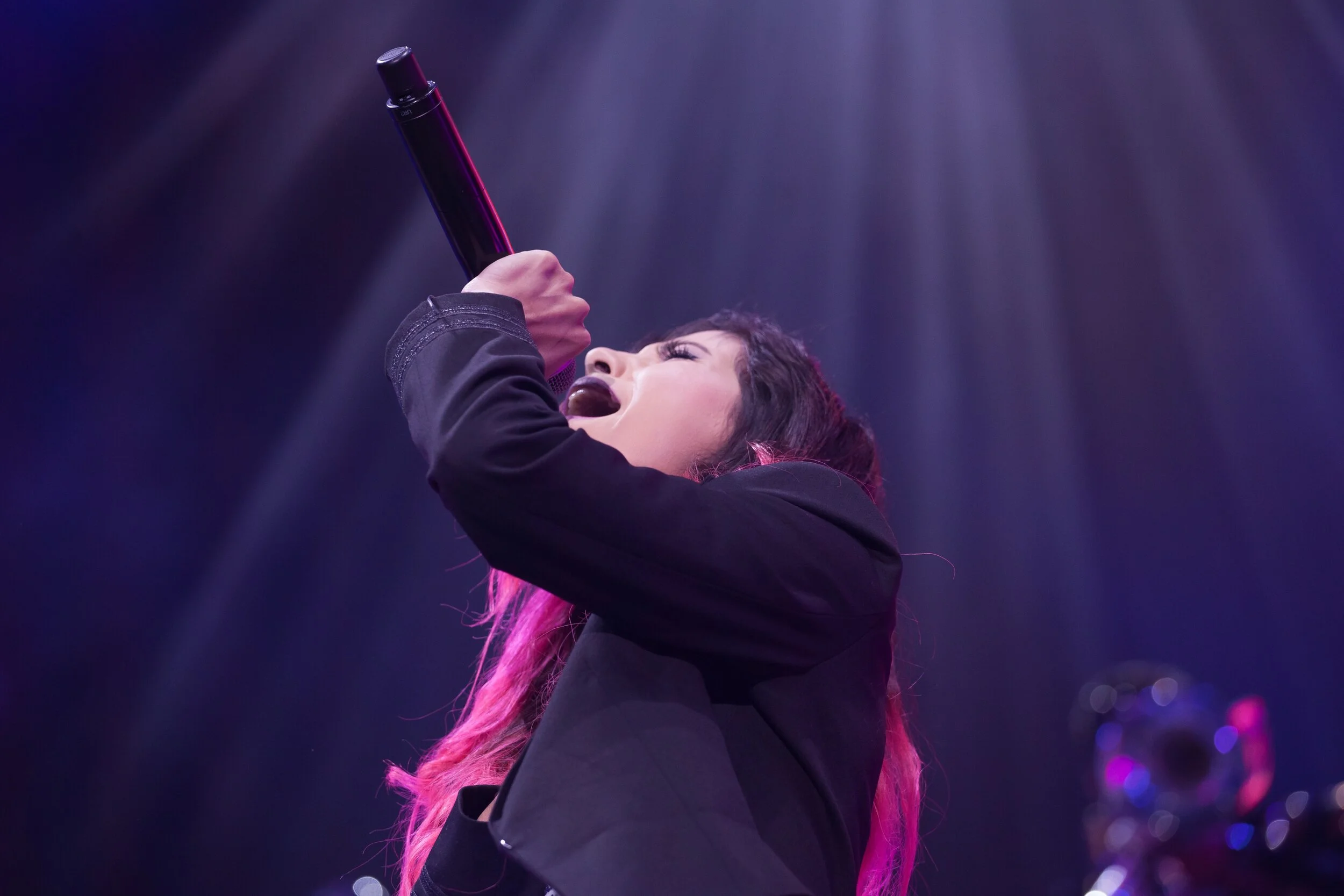
When I think of ‘voice’, I think about being heard, speaking out against things we find unacceptable, advocating for ourselves or others, performing or presenting in front of an audience, and vocal technique (be it for speaking or singing). Things that can get in the way of any and all of these include the stories we tell ourselves about who we are, the messages we received from our parents or caregivers, how we are feeling physically and how safe we feel in the environment in which we are attempting to be heard.

Psychological safety
In recent times, the term ‘psychological safety’ seems to have become something of a buzzword. Outside the therapeutic circles I tend to move in, I’ve also heard people talk about it in relation to team meetings, political disagreements on social media platforms and other situations involving groups of people. And I must say, I am pleased to hear terms like this used in popular discourse (as long as they’re meant genuinely).
"Speak the truth, even if your voice shakes"
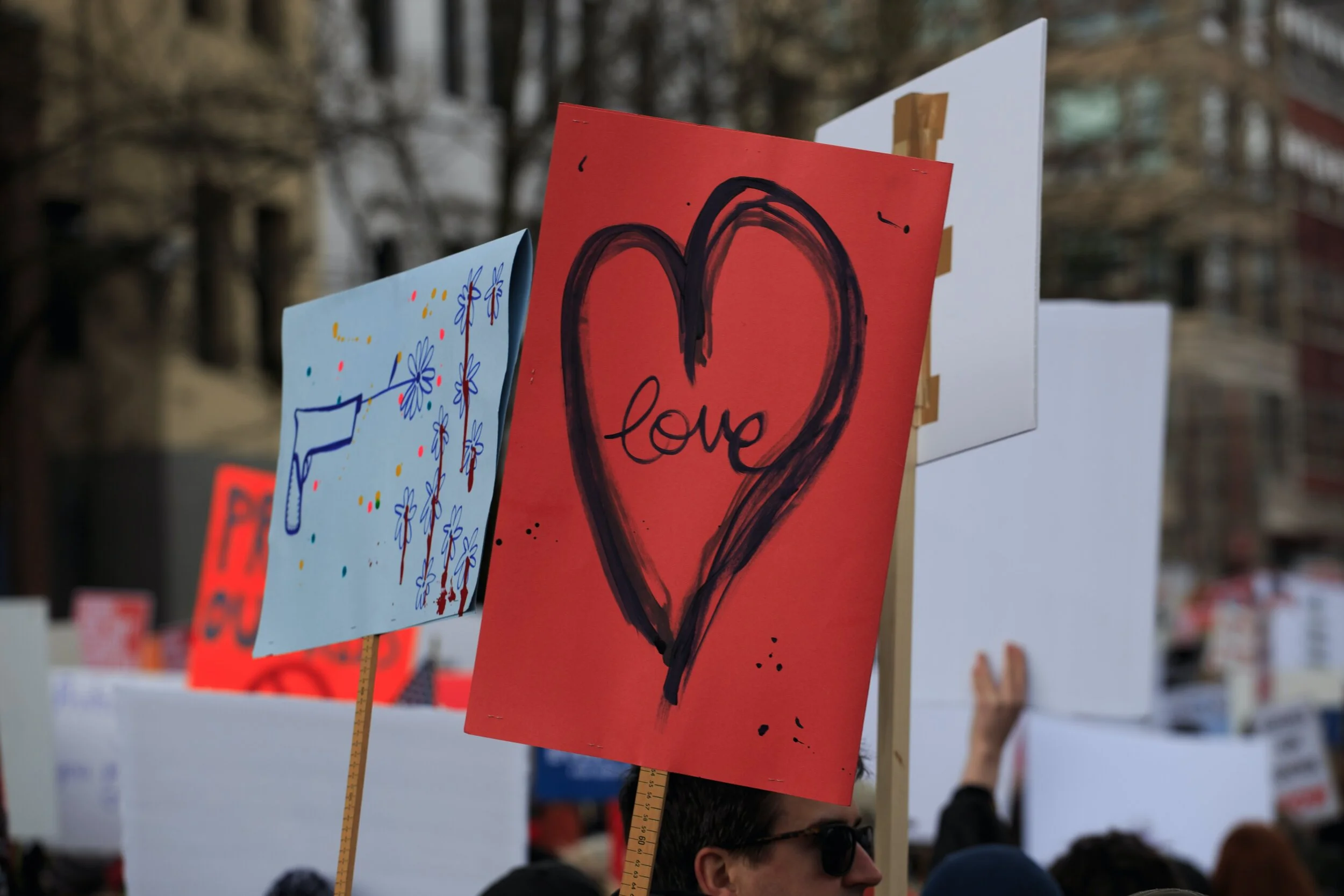
So much of my work is about voice, from singing and performing, to having the confidence to speak up for self and others, and speaking your truth to power. This is a moment in time when the power of collective voice is being felt around the world.

Collective Psyche, Myth and Ritual
Exploring national myth making, rituals and our collective psyche. Might we have an opportunity to re-think these?